







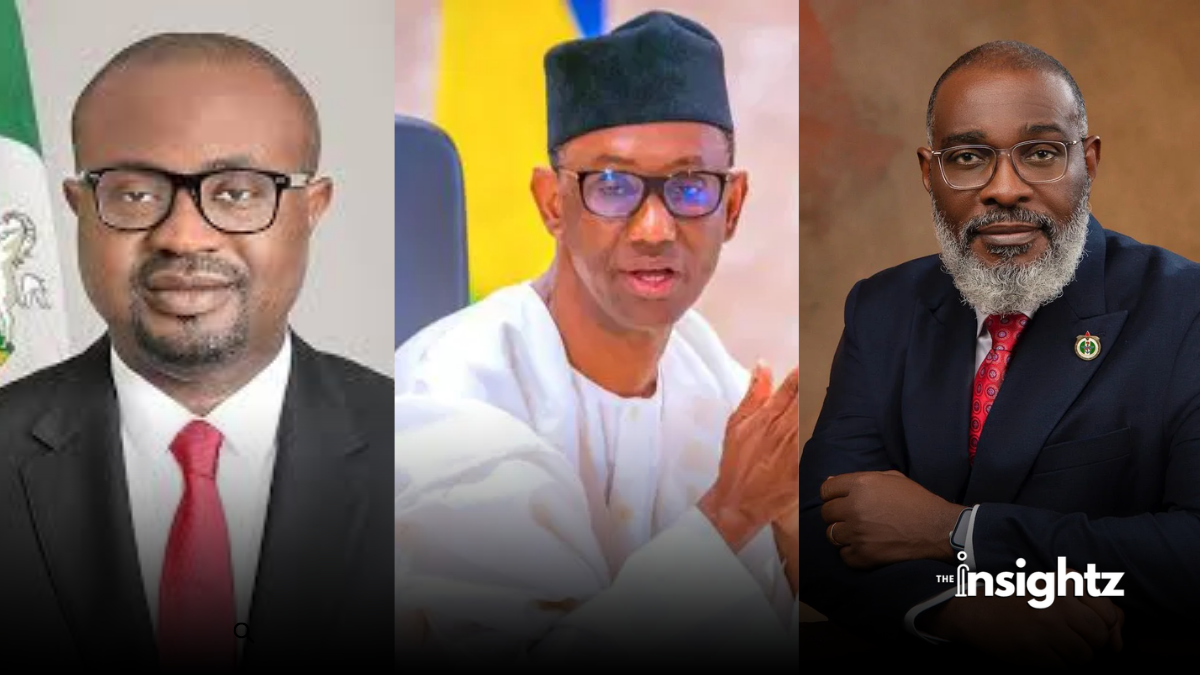
THE BIGGER INSTITUTIONAL QUESTION MAY NOT BE THE NSA, BUT THE MINISTRY OF INTERIOR
This commentary was originally shared on Facebook by Suleiman Usman Yusuf. It is republished here with attribution for informational and analytical purposes.
Since the announcement of the appointment of Major General Adeyinka Famadewa (Rtd) as Special Adviser on Homeland Security, much of the public conversation has focused on the Office of the National Security Adviser (NSA), with many asking whether this signals a gradual move to weaken or eventually replace Nuhu Ribadu.
That political interpretation is understandable, and I do not completely dismiss the possibility because power dynamics are an integral part of governance and presidential politics. However, beyond politics and personalities, I believe the more important issue is institutional and operational.
When one carefully examines the language used in the official press release, the role appears to overlap more with the functional responsibilities of the Ministry of Interior than with the broader strategic responsibilities of the NSA.
Traditionally, the NSA coordinates national security strategy and intelligence management, while also serving as a bridge between the defence sector and other security, law enforcement, intelligence agencies, and relevant civil MDAs. The office also plays a central role in counter-terrorism coordination and overall national threat assessment. It is a high-level strategic office with an expansive national security mandate.
However, the newly announced Homeland Security role was described largely around:
- Internal security coordination
- Intelligence integration
- Inter-agency collaboration
- Homeland security initiatives
- Proactive domestic risk management
Operationally, these areas intersect significantly with the responsibilities of the Ministry of Interior led by Olubunmi Tunji-Ojo.
The Ministry of Interior already supervises agencies directly connected to domestic security and civil protection, including:
- The Nigeria Immigration Service (NIS)
- The Nigeria Security and Civil Defence Corps (NSCDC)
- The Federal Fire Service
- The Nigerian Correctional Service
In many countries, these kinds of institutions form the core architecture of what is commonly referred to as “homeland security.”
This is why the more critical question may not necessarily be whether the new office challenges the NSA, but whether it introduces another layer of domestic security coordination that could overlap with the operational space of the Interior Ministry.
Nigeria already faces longstanding challenges relating to overlapping mandates, bureaucratic duplication, weak inter-agency coordination, and institutional rivalry within the security sector. Creating additional advisory and coordination structures without clearly defined boundaries sometimes creates competition rather than synergy.
Ultimately, the success or failure of this appointment may depend less on politics and more on clarity.
The Presidency will need to clearly define the relationship and operational boundaries between:
- The Office of the NSA
- The Ministry of Interior
- Intelligence agencies
- The new Homeland Security advisory structure
Otherwise, the larger governance risk may not be political replacement, but institutional duplication.



Post Comment